














The AIMS 2026 National Scientific Meeting is pleased to welcome our Keynote & Invited Speakers.
As new speakers are confirmed they will be updated here, so check back soon.
Each speaker will bring a unique perspective, knowledge, and experience. So don’t miss the opportunity to hear from these leaders within their respective fields.
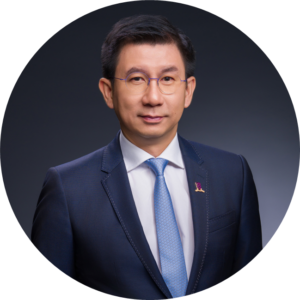
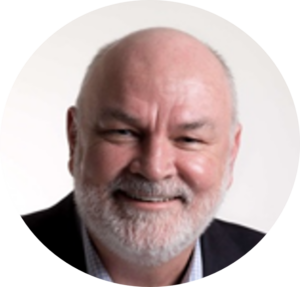
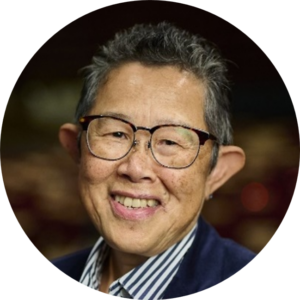
Professor Allen Chan is the Associate Vice-President (Knowledge Transfer) of The Chinese University of Hong Kong (CUHK) and the Chairman of the Department of Chemical Pathology at the Faculty of Medicine at CUHK. He is a co-inventor of the non-invasive prenatal test (NIPT) for Down syndrome, an innovation that has transformed prenatal care worldwide, with millions of tests performed annually.
Professor Chan has developed a number of NGS-based approaches for cancer detection. He led the first large-scale prospective study demonstrating the use of plasma DNA analysis (“liquid biopsy”) for early cancer screening. Using nasopharyngeal cancer as a model, his team showed that plasma DNA analysis is able to detect early asymptomatic cancers and improve survival. This study was featured as one of the top ten notable articles in the New England Journal of Medicine in 2017.
Professor Chan is a co-inventor of over 150 patent families. In 2020, he was named one of the “Top Twenty Translational Researchers” by Nature Biotechnology.
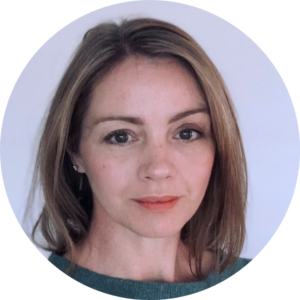
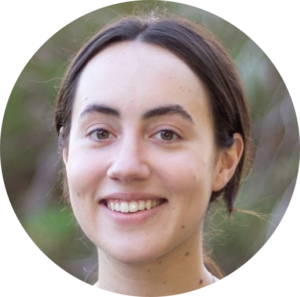
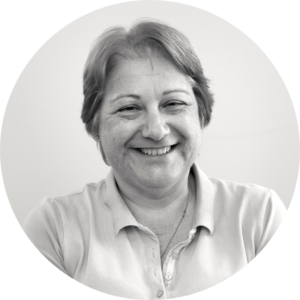
Associate Professor Mandy Ballinger is Deputy Director of the Centre for Molecular Oncology at the University of New South Wales and Head of Cohorts for Omico. Her clinical training is in Genetic Counselling. A/Prof Ballinger’s research focus is to define heritable cancer risk and inform future clinical risk management through large patient cohort studies. Her work in Li Fraumeni syndrome has impacted clinical practice internationally. A/Prof Ballinger has overseen patient recruitment to Omico’s programs, facilitating tumour comprehensive genomic profiling for >20,000 Australian cancer patients, and she is a member of the Omico national Molecular Oncology Board.
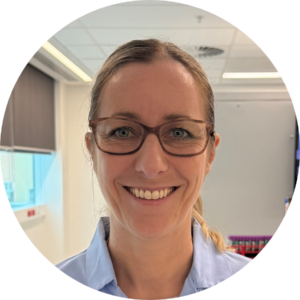
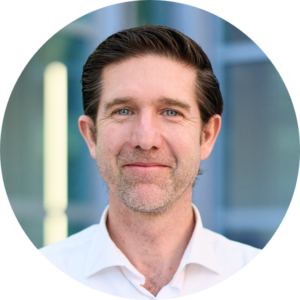
Dr Becky Griffiths is a Senior Research Fellow at Australian Red Cross Lifeblood a Senior Research Fellow at Australian Red Cross Lifeblood, leads a research team developing cellular therapies, including ex vivo red cell production.
Becky drives national efforts to establish clinical grade workflows and advance stem cell–derived red cell therapeutics for rare blood groups and neonatal patients. With prior roles including at NHS Blood & Transplant (UK), her work has shaped clinical trial pipelines, including foundational contributions to the first in human trial of allogeneic laboratory grown red cells.
Becky’s research focus at Lifeblood is understanding red cell biology with the overall aim to create a better, tailored red blood cell product for specific patients such as those with rare blood groups and neonates whose needs are outside of the norm.
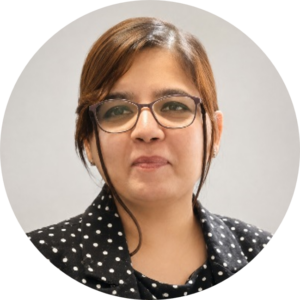
Paul Schneider is an experienced multidisciplinary medical scientist and senior executive with 40 years’ experience in private and public pathology services. He holds a Bachelor of Applied Science in Medical Laboratory Science and a Master of Science (Microbiology) by research and is a professional member of both MAIMS and MASM.
Paul has worked across independent and multinational pathology organisations, holding a range of senior and executive leadership roles, including Chief Scientist and State Manager. He has worked in both greenfield startup pathology services, as well as established pathology services, and has a track record of building successful pathology business. From 2006 to 2017, he co-founded and operated a successful independent pathology service, providing him with deep, practical insight into the Australian pathology industry, including business operations and the critical role of customer-focused service delivery.
He has a longstanding professional interest in quality management, laboratory automation, laboratory information system development, and the delivery of high-quality pathology services. Paul is a NATA assessor and has contributed extensively to professional scientific and advisory committees at both state and national levels.
Paul currently serves as the Executive Director, Operations at PathWest Laboratory Medicine WA and Vice President and Board Director of Public Pathology Australia (PPA).
Kerryn Weekes worked as a Medical Scientist for 43 years after graduating from La Trobe University in 1977. Her career has spanned many facets of pathology beginning at PANCH as an all-round core lab medical scientist, then specialising in Haematology and Clinical Immunology at Royal Children’s Hospital and St Vincent’s.
In 2000, she headed to Monash Medical Centre to work in the molecular diagnosis of thalassaemia and haemophilia.
She was appointed Senior Scientist in the Thalassaemia and Haemophilia Molecular Reference Laboratory in 2007 and undertook her Fellowship in Molecular Genetics in 2016.
Kerryn served on the AIMS Victorian Branch Committee for nine years and has continued working with AIMS into retirement by having an ongoing role with the AIMS Examination Council as an Examiner in Molecular Pathology.
Associate Professor Allcock is Director of Research and Innovation, and Senior Medical Scientist in Charge (Whole Genome Sequencing) at Pathwest Laboratory Medicine WA. He is recognised as an international leader in the development of diagnostic genomic testing with a focus on optimal implementation of laboratory and bioinformatic procedures and processes, spanning diagnostic testing, adult reproductive carrier screening and newborn screening.
Associate Professor Allcock has been involved in DNA sequencing and genomics since the 1990s. He lead the development and implementation of the first NGS in WA, sequencing the first exomes and genomes in WA in 2011, went on to found and run the largest service sequencing laboratory in WA until 2019 and subsequently he lead the laboratory program for the highly successful “Mackenzie’s Mission” reproductive carrier screen program in WA. He is currently implementing routine whole-genome sequencing in Pathwest.
Dr Coral-Ann Almeida is the Senior Scientist in the Bone Marrow Transplant Laboratory at Fiona Stanley Hospital. She completed her PhD at Murdoch University investigating the immunopathogenesis of drug hypersensitivity reactions and as a post-doctoral researcher, worked on projects related to HIV-vaccine development and cross-reactive T cell responses. Coral-Ann’s experience as a Medical Scientist began in the Flow Cytometry Unit in PathWest. She then joined the Haematology Clinical Trials Unit at Fiona Stanley Hospital where she worked on clinical trials investigating novel drug and cellular therapies for the treatment of blood cancers.
Mohammad Altememi joined NSWHP in 2019 and has worked across several roles in haematology. He currently serves as 2IC Scientist in the Coagulation section, specialising in haemostasis testing. He is a final year Ph.D researching machine learning based predictive models for laboratory medicine, with a focus on haemostasis and thrombosis diagnostics. His interests include novel diagnostic development and applied data science.
Dr Nicola Armstrong is a Professor in Statistics and Data Science at Curtin University. She is statistician by training, and interested in the development of statistical methodology and the application of statistics to problems in genetics, genomics and biomedical research. Her research to date has focused on (epi)genomic analysis of data for cancer and healthy ageing and dementia, including biomarker studies, GWAS and other genome-wide assays.
Professor Ross Baker is an experienced consultant haematologist and clinical translational researcher specializing in blood diseases, bleeding disorders and thrombosis. His extensive leadership in both Australian and international clinical trials has significantly advanced the field of haematology, with particular focus on venous thrombosis, thrombocytopenia, bleeding disorders such as Von Willebrand disease and haemophilia, as well as leukaemia, lymphoma, and myeloma.
He has authored over 173 peer-reviewed publications and is recognized for his expertise, frequently presenting at international medical conferences. Professor Baker has held prominent leadership roles, including Chair of the International Society of Thrombosis and Haemostasis von Willebrand Subcommittee, and has served on editorial boards, including Blood, reflecting his influence within the field.
Based in Perth, Australia, he leads the Perth Blood Institute, is a Professor of Haematology at the Institute for Health Research at the University of Notre Dame Australia, maintains a research laboratory at Murdoch University, directs the Haemophilia Treatment Centre, and works as a senior clinical haematologist at Hollywood Hospital and other healthcare institutions. His work supports ongoing research and clinical excellence in blood and bleeding disorders, with a focus on innovative therapies and treatments.
Hayley Brown graduated from Curtin University with a Bachelor of Science (Medical Science) in 2010 and is a Senior Scientist in Special Immunohaematology at PathWest Fiona Stanley. She has extensive experience in diagnostic transfusion science, complex immunohaematology investigations, and providing specialised transfusion support for patients with complex serological requirements, including haematopoietic stem cell transplant recipients.
Throughout her career, Hayley has contributed to the implementation of new laboratory technologies, quality management initiatives, and staff training and competency assessment. She is passionate about continuous service improvement, mentoring colleagues, and translating scientific evidence into practical laboratory practice to enhance patient care.
Hayley enjoys sharing knowledge through education and professional presentations and is committed to advancing excellence in transfusion medicine and laboratory science.
Daria began her career as a medical scientist after completing a Master of Clinical Pathology at the University of Western Australia (UWA). She began her professional career in the private sector in a Biochemistry department, where she developed a strong foundation in diagnostic pathology. Her interest in flow cytometry and translational research led Daria to return to UWA where she now works as a Research Officer in the Translational Cancer Pathology Laboratory. In this role, she applies her clinical and technical knowledge to integrate flow cytometry and molecular techniques to develop a non-invasive antenatal test to diagnose Down syndrome. She also aims to develop imaging flow cytometry protocols to improve the detection and monitoring of haematological malignancies.
Liz Byrnes is a Medical Scientist in Charge of the Point of Care Department in Biochemistry at PathWest QEII Medical Centre in Perth. Her team manages and supports Statewide Point of Care Testing in the public health space. She also supervises Biochemistry QC and QAP for 22 PathWest regional labs and provides technical support for Biochemistry and Point of Care assays.
Liz has worked in public and private pathology in Core and Specialised Clinical Biochemistry and Molecular Diagnostics over her 40-year career and has a strong interest in continuing education and teaching the next generation of Medical Scientists. She has a MAACB and Master of Laboratory Medicine from UWA, and a Graduate Diploma in Education (Adult Education) from Murdoch University.
Outside of work Liz loves being out in nature and doing multi-day walking holidays (but only with a comfortable bed and a glass of wine at the end of the day).
Tanya is the Manager of the Perth Red Cell Reference Laboratory at Lifeblood. Prior to her time at Lifeblood, she worked as a multidisciplinary and haematology scientist across both public and private pathology.
She has a special interest in identifying and sourcing rare blood. One of her biggest accomplishments has been delivering the cloud hosted WA Antibody Register, allowing WA health professionals continued access to the data they need to provide a safe and efficient transfusion service to patients.
Elsa Chew is a Medical Scientist with PathWest, currently working in regional Western Australia, where “remote” is not just a postcode — it can be a significant part of the diagnostic journey. She holds a Master of Medical Science (Research) and has worked in pathology since 2020, with experience across pre-analytical processes, laboratory analysis and multidisciplinary pathology practice.
As a proud regional scientist, Elsa has developed a particular interest in the challenges faced by rural and remote communities, particularly the structural, logistical and geographical factors that can influence pathology quality and access to healthcare. Her work explores the often-overlooked journey of a specimen from collection to laboratory, and the people and systems behind it — because, as she likes to say, there is usually a lot more to a specimen than what is happening inside the tube.
Elsa is passionate about translating laboratory practice into meaningful improvements in patient care and health equity, while advocating for pathology that recognises the realities of working and living outside metropolitan Australia.
Karen Collins is a Senior Hospital Scientist with NSW Health Pathology and leads the development and implementation of statewide digital morphology training and competency initiatives. She has more than 30 years’ experience in haematology and morphology, with a strong focus on workforce development, standardisation and quality improvement across geographically diverse laboratories.
Karen recently completed a Master of Medical Science (Pathology) at Charles Sturt University, with her research investigating the diagnostic value and documented clinical impact of analyser-initiated blood film review. Her current work focuses on using digital morphology to support equitable access to training, competency assessment and ongoing professional development across the NSW Health Pathology network.
Elle Colace is a Medical Scientist in Haematology at PathWest Laboratory Medicine, based at Fiona Stanley Hospital. She works across both Core Haematology and Transfusion Medicine.
At AIMS 2026, Elle will explore Anti-CD38 neutralisation and the implementation of a new methodology within the transfusion laboratory. Her presentation will highlight the practical considerations involved in introducing this approach and its role in supporting timely transfusion testing.
Penny Cooper is a Senior Forensic Scientist in the PathWest Forensic Biology Department with 25 years of experience in forensic DNA analysis. She has broad expertise across all areas of forensic DNA casework, including providing expert court testimony, as well as research and development. She is a current member of the ANZPAA NIFS Validation Professional Working Group, contributing to the development of national guidelines for validating forensic biology methods. Penny is also a PhD candidate in the University of Technology Sydney’s Industry Doctorate Program in partnership with PathWest, where her research focuses on improving DNA recovery from low-level samples by integrating modern molecular technologies with established PCR and post-PCR approaches.
Jayson graduated a Bachelor of Medical Laboratory Science in 2017, starting work in SNP haematology, before transitioning to multi-disciplinary work across several of SNP’s STAT labs. He now works with the SNP Sunshine Coast team, with an interest in haematology and coagulation, and is their local haematology trainer.
Dr Mark Davis is currently acting Senior Medical Scientist in Charge of the Department of Diagnostic Genomics at Pathwest Laboratory Medicine WA. Prior to this was Scientist in Charge of the Neurogenetics Section within the department, having spent 32 years working on the genetics of neuromuscular disease. He is co-author on 86 journal articles in the field, and has been involved with the identification of six new disease gene associations. He is recognised as an expert on the genetics of muscle disease, have been invited to a number of international expert panels meetings. Under Dr Davis’s guidance, the Neurogenetics Section has become the de facto national reference laboratory for Neurogenetic testing, with the RCPA and Medicare recognising the laboratory’s diagnostic gene panels as the preferred method of testing in 2021.
Professor Emmanuel J Favaloro is the Lead Scientist for the Sydney Centres for Thrombosis and Haemostasis, located at Westmead Hospital. He has (co-)authored over 900 papers, is the current Editor in Chief of Seminars in Thrombosis & Hemostasis, a member of the editorial/advisory boards of several other international journals, and a current or past member of several International Society on Thrombosis and Hemostasis (ISTH) Scientific Standardization Committees (SSCs) and Working Parties. His primary interest is advancing laboratory testing and diagnosis related to bleeding and thrombosis, for example by evaluating new or improved diagnostics.
Olivia Foti is a Senior Medical Scientist in the Molecular Diagnostics, Serology and Typing Department of Clinical Microbiology, Fiona Stanley Hospital Network, PathWest Laboratory Medicine WA.
Lin completed her BAppSc (MLS) in RMIT, Grad Dip Management at CQU and PhD at University of Queensland School of Medicine. She has over 30 years of Medical Laboratory Science experience and is presently the Professor of Medical Laboratory Science at the University of the Sunshine Coast. She teaches into haematology, blood banking and transfusion science and also leads the OptiBlood research team at UniSC. Lin is Principal Supervisor 4 to 5 post-graduate candidates, two of whom are MLS pursuing a PhD. Her areas of research include neutrophil immunobiology, TRALI, patient and donors blood management, and she currently leads a collaboration with multiple Asian blood collection agencies investigating ways of optimizing and customize donors and donation practices in the region. In addition to being a member of AIMS, Lin is a member of HSANZ, ANZSBT and is the current President of the International Society of Blood Transfusion (ISBT).
I am a medical scientist. From 1985 to 2023 I worked in the Haematology department at RPH and FSH. In 2015 I joined the Perth Blood Institute as a Research Scientist at Murdoch University where I work Wed-Friday.
I am involved in the research of the looking at drugs currently used for chronic lymphocytic leukaemia, bleeding disorders of unknown cause, TTP and teaching students.
I am a member of the International Society of Thrombosis and Haemostasis and The Thrombosis and Haemostasis Society of Australia and New Zealand
I enjoy reading, cooking and travel.
Dr Joel P.A. Gummer is the Manager of Research & Innovation for ChemCentre’s Forensic Science Laboratory; Western Australia’s Premier Analytical Chemistry Facility.
Joel’s Research Team recently won the Western Australian Government Innovator of the Year awards (2025) for their work in developing a proteomics workflow for individual identification. His team are now working to implement the technology into routine workflows, enabling rapid triage of forensic case samples and to provide forensic intelligence to active case work. Joel also Heads the Forensic Proteomics capability at ChemCentre and is Adjunct A/Prof with Edith Cowan University.
Prior to ChemCentre, as the National Head of Analytics for Metabolomics Australia, Joel was amongst the team to establish the Australian National Phenome Centre, A facility designed for the high-throughput and population-level dissection of metabolic signatures of disease. Earlier in his career, Joel polished his skills as a Molecular Biologist with the CSIRO, a background which now complements his expertise as an Analytical Chemist and the forensic capabilities in development at ChemCentre.
Joel is motivated by the intersection of science and innovation, with a strong passion for exploring new technologies and translating emerging concepts into practical solutions with translational outcomes.
Dr. Prajwal Gyawali serves as Program Director and Discipline Lead of Medical Laboratory Science at UniSQ. His work integrates teaching, scholarship, and applied health research, with a particular focus on stroke recovery in regional and rural Australia. He is a Fellow of the Higher Education Academy (FHEA) and has a strong interest in graduate employability and higher education research. Dr. Gyawali has authored more than 50 peer reviewed publications and is actively engaged in professional, research, and ethics governance activities.
Dr Anila Hashmi is a Senior Medical Scientist in Chemical Pathology at NSW Health Pathology and an Honorary Visiting Fellow at the University of Technology Sydney. Her PhD focused on the discovery of novel cancer biomarkers in solid tumours, addressing a critical gap in early detection and prognostic assessment. With proven expertise in ISOaccredited systems, scientific mentoring, and cross-disciplinary leadership, she is
dedicated to advancing diagnostic medicine through innovation, education, and meaningful clinical impact.
Paul Healy has been the Medical Scientist in Charge (MSIC) at PathWest Kununurra for the last 3 years, a multi-disciplinary laboratory which is the only pathology provider to the East Kimberley region (117,000 square kilometres) of Western Australia (population: 8,315; distance from Perth: 3216km). Kununurra is the largest town, north of Broome, in W.A. and experiences significant tourism population increases during the dry season. The laboratory at Kununurra also supports patients and clinicians at Halls Creek (358km away), Wyndham (100km away) and surrounding indigenous communities.
Prior to this role, Paul worked as a MSIC and specialist Bacteriologist in large tertiary teaching Microbiology laboratories, located within the metropolitan area of Perth W.A. and laboratories in London, U.K.
Paul will be speaking on the key differences and challenges in providing a Microbiology service in a remote and regional location.
Jade Healy is a published Medical Scientist specialising in bacteriology at QEII Medical Centre, where she has worked since 2019. She graduated from Curtin University with a Bachelor of Laboratory Medicine with First Class Honours and was awarded the ORD Summer Research Scholarship in 2018. Her work focuses on diagnostic microbiology, supporting the accurate and timely identification of bacterial pathogens in clinical settings. She has also contributed to published research in the field of microbiology
Anna Heavey is the Senior Forensic Scientist in Charge of Quality, Training, Safety & Risk for the Forensic Biology Department of PathWest Laboratory Medicine WA in Perth, Australia. Anna is the past Chair of the Quality Specialist Advisory Group to the National Institute of Forensic Science for Australia and New Zealand and advisory group member with Standards Australia and the European Network of Forensic Science Institutes. She is a highly cited author in the field of forensic quality management and has delivered invited presentations to groups including the American Society of Crime Laboratory Directors, Australian Organisation for Quality and INTERPOL. Currently also a PhD candidate at Curtin University, Anna is undertaking research into the development of a standardised approach to the categorisation of quality issues in forensic science, and she is active in local forensic community outreach, serving as a member of the Executive Committee of the Australia & New Zealand Forensic Science Society (WA Branch).
Technical Project Leader – GAP Secretariat
Global Advisory Panel (GAP) on Corporate Governance and Risk Management of Blood Services in Red Cross and Red Crescent Societies
International Services, Australian Red Cross Lifeblood
Kerin holds a Bachelor of Science degree in Microbiology and Pathology, along with a Post Graduate Diploma in Forensic Science. With extensive experience in the blood services sector, Kerin has demonstrated expertise in managing blood bank inventory, coordinating national laboratory and production changes, and providing expert guidance to stakeholders on process changes and continuous improvement initiatives. Kerin’s strong leadership and team management skills are complemented by a Lean Practitioner certification, which has been instrumental in promoting lean principles to minimise waste and duplication in manufacturing processes.
Since joining International Services in 2018, Kerin has played a role in managing and implementing GAP program activities and projects for international blood programs, including supporting post-earthquake recovery in Nepal and the implementation of the AABB Fundamental Standards in Laos. Kerin has led training workshops and webinars, coordinated international meetings and workshops, and produced executive level briefings.
Md Munnaf Hossen is a PhD candidate at RMIT University, Australia, working with Dr. Rosita Zakaria and A/Prof. Bobbi Fleiss. His research focuses on the impact of perinatal brain injury on glial cell responses and kynurenine pathway (KP) metabolism. Using a multidisciplinary approach that integrates LC–MS/MS, immunohistochemistry, RT-PCR, and RNA sequencing, he investigates the molecular and cellular mechanisms underlying neuroinflammation in the developing brain. Munnaf has contributed to advancing analytical methodologies by developing and validating LC–MS/MS approaches for the quantification of KP metabolites in complex biological samples, enabling improved pathway-level insights. He was recently awarded a competitive research grant from the Australian Institute of Medical Scientists (AIMS) to support his PhD research. His work aims to enhance understanding of early life neuroinflammatory processes and support the development of strategies for preventing brain injury and improving neurodevelopmental outcomes.
Colby Hymus holds a Master of Forensic Science (Professional Practice) and is a Forensic Scientist within the Research and Development team of the PathWest Forensic Biology Department. In this role, Colby undertakes projects aiming to enhance the capability of routine DNA analysis workflows, as well as investigating novel approaches for generating information from forensic biology samples, which are often uniquely challenging. Colby is actively engaged within the forensic community, including serving as Secretary on the Executive Committee of the WA Branch of the Australian and New Zealand Forensic Science Society (ANZFSS), and numerous local and international presentations on forensic biology research.
Hamidreza Iranpour is a medical biotechnologist with a PhD in Medical Biotechnology from the Pasteur Institute of Iran and more than 10 years of experience across molecular biology, microbiology, biotechnology research, and laboratory science. His expertise includes PCR and qPCR, molecular diagnostics, recombinant protein expression and purification, microbial testing, and laboratory quality systems. He has worked in research and laboratory environments internationally and in Australia, including as a Scientific Officer at Scone Equine Hospital. His professional interests focus on molecular diagnostics, clinical microbiology, infectious disease detection, and translational biotechnology.
Hala Issa is a Medical Laboratory Scientist, clinical educator, and researcher whose work sits at the intersection of diagnostic science and cancer biology. Certified across Australia (AIMS), the UK (HCPC), and the USA (ASCP), she brings over a decade of experience in laboratory operations, quality management, and biomedical research. A Fellow of Advance HE and Blackboard Certified Expert in Digital Teaching and Learning, Hala is a Clinical Instructor at the Higher Colleges of Technology (HCT), Abu Dhabi, where she bridges laboratory practice and the education of the next generation of medical laboratory scientists. Her published research explores inflammatory signalling dynamics within the tumour microenvironment, and her current work — presented today — focuses on the spatiotemporal profiling of exosomal miRNA in triple-negative breast cancer, investigating how circulating miRNA signatures shift across disease stages and tissue compartments as a potential avenue for liquid biopsy-based diagnostics. Hala holds a Master of Science in Chemical Biology from Cardiff University, Wales, UK.
Alex Jenkins is Director of the Western Australian Data Science Innovation Hub (WADSIH) at Curtin University, where he leads the state’s premier organisation for AI and data science capability building. He serves as a member of the Western Australian Government’s AI Advisory Board, advising the Department of the Premier and Cabinet on AI policy and adoption, and chairs the Curtin AI in Research Group (CAIR), guiding the university’s research community on accelerating their impact with AI.
His work focuses on the translational impact of AI across industry, education, and public policy — bridging the gap between research and real-world adoption. He is particularly focused in how AI can deliver measurable outcomes in education and health, and in shaping the policy settings needed to support responsible, sovereign AI capability in Australia.
Mr. George K. John is a Senior Lecturer at Charles Sturt University and former Head of Discipline for Medical Science and Pathology. He is a pharmacy professional with around three decades of academic and professional experience across pathology, medical science, and pharmacy, with process and quality improvement as the common thread of his career.
That thread led him to the pre-analytical phase. Most laboratory errors happen before a specimen reaches the analyser, often outside the laboratory’s direct control. Yet those errors undermine the results that clinicians and patients rely on. He is now pursuing a PhD in pathology, applying artificial intelligence and machine learning to reduce these pre-analytical errors, with applied work on specimen reception, turnaround times, and surgical blood ordering. His presentation builds on his first-authored 2025 paper in Clinical Chemistry and Laboratory Medicine.
His commitment to quality extends beyond the laboratory.
He is a Board Director of a NSW Local Health District and Chair of its Health Care and Quality Committee; Chair of the Local Health Advisory Committee for the largest inland city of NSW (Wagga Wagga); and nationally, a member of the Diabetes Australia Research Steering Committee. Whether at the specimen reception bench or the board table, his focus is the same: results that clinicians and patients can trust.
Sarah Just, BAppSc (MLS), GradCertMgt, MMedSc (Pathology), MAIMS, is the CEO of Australian Institute of Medical and Clinical Scientists (AIMS). Sarah has held various positions in AIMS prior to being appointed CEO in February 2022.
Sarah has over thirty years’ experience in the medical laboratory science profession and worked in senior roles in haematology at a number of major hospitals in Sydney and Brisbane including Royal North Shore Hospital, Liverpool Hospital, Prince of Wales Hospital, and Royal Brisbane and Women’s Hospital. Sarah has worked in public and private laboratories in Australia and overseas and published many scientific papers on haematology related subjects.
Daniel is a microbiologist and bioinformatician with more than 20 years of experience in infectious disease epidemiology and pathogen genomics across industry, academia, and public health. He has published over 75 papers on pathogen genomics and infectious diseases, and has held national NHMRC and ARC research fellowships. His work has been recognised with major research awards, including the ASM Jim Pittard Early Career Award and the Raine Research Prize. In his current role at PathWest, the state public health laboratory in Western Australia, Daniel specialises in genomic and epidemiological analysis of notifiable and emerging pathogens to support public health surveillance and outbreak response.
Rebecca de Kraa is the Medical Scientist in Charge of Cytogenetics at PathWest Fiona Stanley Hospital, specialising in Haematological Malignant Cytogenetics. She completed her Bachelor of Medical Science at Curtin University and attained a MHGSA certification in Cytogenetics with the Human Genomics Society of Australasia. With over 25 years of diagnostic malignant cytogenetics experience and prior haematology laboratory work, Rebecca is passionate about malignant cytogenetics with a special interest in the cytogenetics of paediatric B-acute lymphoblastic leukaemia. She is involved in teaching the specialty to haematology fellows attaining Cytogenetics certification, and to Molecular Genetics/Medical Science students at Curtin University.
Dianne Lovelock is an AIMS Fellow in Haematology and the THANZ representative on the AIMS APACE Committee. She is currently a Senior Haematology Scientist at Sullivan Nicolaides Pathology, with responsibility for developing and monitoring competency of haematology scientists at SNP. Dianne’s areas of interest included thrombosis and haemostasis testing, and professional development of scientific staff.
Samuel Lundin, PhD, is founder and CEO of Biotome, a Perth biotechnology company translating precision immunology into diagnostics. A former Professor of Biomedical Science at the University of Gothenburg, Sweden, he came to Perth as a Marie Curie Fellow to collaborate with Nobel laureate Barry Marshall on Helicobacter pylori immunity and gastric cancer risk. At Biotome, Samuel led development of Helitope, a precision-peptide anti-CagA serology assay now available for research use. Biotome provides Australia’s only dedicated linear B-cell epitope-mapping service and has developed PepLock, a platform for one-step, site-directed biomolecule immobilisation on diagnostic assay surfaces.
Aparna Mallidi is a Medical Laboratory Scientist with a Master’s degree in Laboratory Medicine. She currently works at Box Hill Hospital, where she contributes to both the Microbiology and Molecular Diagnostics departments.
Hongmei (Melody) Mao, an overseas doctor and senior Medical Scientist in Australia and New Zealand. Have extensive working experience of Anatomical pathology in private and public system in Australia and New Zealand. Current studying at Business School, University of Auckland.
Alina is a Senior Lecturer and Deputy Director of Learning and Teaching in the School of Diagnostic and Therapeutic Sciences (SoDATs) at Curtin University’s Bentley campus in Perth. She leads curriculum development and is instrumental in delivering the Anatomical Pathology combined Histo/Cyto major unit within the four-year BSc Laboratory Medicine undergraduate program. With over 30 years of experience as a medical scientist specialising in cytopathology across both private and public sectors, Alina also serves on the ASC Board of Examiners and the AIMS Scientific Committee. Her research focuses on expanding EBUS/ROSE simulation experiences for fourth-year Laboratory Medicine students and digitising histo/cyto cases via a custom virtual microscopy platform integrated with Curtin University’s learning management system (LMS). Alina collaborates with a multidisciplinary team to develop ‘Human VR Dissection (ProSection XR)’, an advanced virtual reality human dissection simulation designed for immersive, interactive healthcare education. She has been recognised for her contributions with a Curtin Medical School Teaching Excellence Award in 2023 and a Curtin Medical School Award for Contribution to Engagement in 2024. In October 2024, she was part of a project team honoured with the Faculty of Health ISOLT Research Impact Award for their work in 3D photogrammetry.
Francesca Moore is the Senior Scientist-in-Charge of the Biochemical Genetics and Newborn Screening Laboratory at PathWest. She has 20 years’ experience in the laboratory across Western Australia and New South Wales. She has extensive experience with developing and validating new analyses, especially those involving mass spectrometry, within diagnostic and screening laboratories.
Francesca is a NATA technical assessor and contributes to professional, scientific and advisory committees.
Dr Borkwei Ed Nignpense is a Lecturer in Medical Laboratory Science at Southern Cross University and an accredited Medical Laboratory Scientist with experience in haematology, transfusion science, biochemistry, and multidisciplinary laboratory practice. Prior to his current appointment, he taught in the Bachelor of Medical Laboratory Science program at Charles Sturt University, delivering laboratory classes and tutorials in haematology and supporting assessment and student learning across the discipline.
Borkwei is actively involved in the education and professional development of future medical laboratory scientists through teaching, curriculum development, research, and industry engagement. He is an active member of the Australian Institute of Medical and Clinical Scientists (AIMS) and serves on the AIMS Queensland Branch Committee. He is also a member of the International Society of Blood Transfusion (ISBT) and the Thrombosis and Haemostasis Society of Australia and New Zealand (THANZ).
His scholarly work includes peer-reviewed publications, conference presentations, and educational research focused on laboratory science education, transfusion practice, and the use of emerging technologies in health professions training. In 2025, he was the lead author and presenter of “AI Podcasts: A New Frontier in Transfusion Education?” at the National Immunohematology Continuing Education (NICE) Conference in Melbourne, where the presentation received the Most Thought-Provoking Talk Award.
Matt is a Principal Research Fellow within the Division of Obstetrics and Gynaecology at the University of Western Australia, and head of the Clinical Perinatal Research Laboratories. He is a molecular microbiologist whose research is focused on the role of the microbiome in health and disease throughout pregnancy and early life. He has particular interests in developing diagnostic tests based on microbial biomarkers for disease prediction and both antimicrobial and probiotic intervention strategies to reduce disease risk.
Dr Todd Pryce is a Senior Medical Scientist In Charge of Diagnostic Molecular Microbiology, Serology and Typing within the Department of Clinical Microbiology at PathWest, Fiona Stanley Hospital. He has 33 years’ experience across all disciplines of Clinical Microbiology, specialising in qualitative and quantitative molecular diagnostics of blood borne viruses, transplant associated virology, sexually transmitted infections, respiratory pathogens, molecular mycology, and rapid, multi marker approaches to infectious disease diagnostics. He also contributes as a Senior Lecturer at The University of Western Australia, a Course Advisory Board member at Murdoch University, a member of the National Neisseria Network, and a NATA Technical Assessor.
Dr Prashant Regmi is a Clinical Biochemist, Biomedical Researcher, and Lecturer at Charles Darwin University. He teaches across biochemistry and laboratory medicine disciplines, and is passionate about developing the next generation of health and biomedical scientists. His research focuses on chronobiology, metabolism, and translational clinical biochemistry, examining how lifestyle factors influence circadian rhythms and metabolic health. He is committed to translating research findings into practical solutions that enhance diagnostic services in remote Australia.
Clinical Scientist, Molecular Anatomical Pathology, PathWest Laboratory Medicine, WA
Fellow of Faculty of Science, Royal College Australasian Pathologists
Associate Professor (Adj), School of Biomedical Sciences, University of Western Australia
Dr Cleo Robinson is the clinical scientist in charge of Molecular Anatomical Pathology at PathWest. Since joining PathWest in 2014 she has worked on the expansion of the molecular pathology testing repertoire including the incorporation of several next generation sequencing cancer gene panels and the use of comprehensive genomic profiling to find treatment strategies for patients with advanced disease, have exhausted treatment options and to resolve diagnostic dilemmas.
Dr Robinson has over 25 years of cancer research experience, with her early career focusing on molecular and immunological aspects of mesothelioma development, treatment and prevention. At PathWest she has worked on a broader range of cancer types investigating the application of new biomarkers in the clinical setting for refining diagnosis, prognostication and direct precision therapeutics for patient management. Current interests include clinical implementation of whole genome sequencing, advanced methylation analysis and the utility of circulating tumour DNA to offer a non-invasive strategy for biomarker detection, monitoring response to treatment and early detection of recurrence.
Clinical Professor Sam Salman is a consultant immunopharmacologist at PathWest and Clinical Professor at the University of Western Australia and Curtin University. He is a Fellow of the RACP in Clinical Pharmacology and Clinical Immunology and Allergy, and a Fellow of the RCPA in Immunopathology. His work sits at the intersection of laboratory medicine and precision therapeutics, with interests spanning pharmacogenomics, therapeutic drug monitoring, assay development and pharmacometrics. He has contributed to more than 90 peer-reviewed publications and is a member of the Pharmaceutical Benefits Advisory Committee.
Nicola is a Clinical Scientist in the Department of Clinical Biochemistry, PathWest Laboratory Medicine, at Fiona Stanley and Royal Perth Hospitals and is a Fellow of the Royal College of Pathologists of Australasia (RCPA), Faculty of Science. Nicola is also a Research Associate with the Dobney Hypertension Centre, Royal Perth Hospital Research Foundation, and a PhD candidate at the University of Western Australia, Medical School, and her research and specialist interest is in primary aldosteronism.
Clair Stewart is Senior Medical Scientist in Microbiology at PathWest, based at Fiona Stanley Hospital. She has over 13 years of experience in clinical microbiology, with a specialised focus on Antimicrobial Susceptibility Testing.
Clair has a strong professional interest in emerging antimicrobial resistance and is particularly engaged in advancing laboratory detection methods to support timely and effective patient care.
At AIMS 2026, she will present ‘Rapid Detection and Characterisation of Carbapenemase Enzymes in the Clinical Laboratory’, sharing practical insights into improving the identification and management of these high-risk pathogens.
Dr Pramod Subedi is a Lecturer in Biochemistry in the School of Agriculture, Biomedicine and Environment (SABE) at La Trobe University. He teaches and coordinates subjects across the first and second years of the Master of Biotechnology and Bioinformatics (SMBB) program and serves as an Academic Coordinator for multiple subjects delivered through the La Trobe University–PSB Academy (Singapore) transnational education partnership. In these roles, he contributes to curriculum delivery, academic quality assurance, and student support, with a focus on evidence-informed teaching, constructive alignment of learning outcomes and assessment, and the continuous enhancement of student learning experiences in both research-intensive and transnational education contexts.
Dr Subedi holds a BSc (Medical Laboratory Technology) from Pokhara University, Nepal, a Master of Biotechnology and Bioinformatics, a PhD (in protein biochemistry and structural biology), and a GradCertHE from La Trobe University. His PhD and postdoctoral research have advanced the understanding of bacterial redox-active enzymes and virulence-associated proteins, with broader implications for addressing antimicrobial resistance and informing the development of novel therapeutic strategies. He is also a Fellow of Advance HE (FHEA).
Dr Sara Sukudom is a physician trainee and researcher at Fiona Stanley Hospital and current Atlantic Fellow in Health Equity with a strong interest in digital health, equitable care, and healthcare innovation. Alongside her clinical work, she has led and contributed to over $1.5 million in projects focussed on improving health systems. Her current initiative, Orva, centres on developing a digital platform that provides reliable, personalised health education to people with chronic disease. She believes the greatest potential of artificial intelligence lies in strengthening – not replacing – human relationships and systems, and advocates for its responsible development under robust ethical and clinical oversight.
Dr. Gavin TURBETT is the Head of the Forensic Biology Department at PathWest Laboratory Medicine Western Australia and has been in that role since 1999. He is the manager of the Western Australian DNA Database, which is the largest forensic DNA database in Australia.
He is the author / co-author of 41 scientific papers, and is an:
o Adjunct Professor at Murdoch University
o Adjunct Associate Professor at Curtin University
o Adjunct Associate Professor at The University of Western Australia
He lectures regularly to the WA Police, university students and others about forensic biology and DNA profiling
Alex Jenkins is Director of the Western Australian Data Science Innovation Hub (WADSIH) at Curtin University, where he leads the state’s premier organisation for AI and data science capability building. He serves as a member of the Western Australian Government’s AI Advisory Board, advising the Department of the Premier and Cabinet on AI policy and adoption, and chairs the Curtin AI in Research Group (CAIR), guiding the university’s research community on accelerating their impact with AI.
His work focuses on the translational impact of AI across industry, education, and public policy — bridging the gap between research and real-world adoption. He is particularly focused in how AI can deliver measurable outcomes in education and health, and in shaping the policy settings needed to support responsible, sovereign AI capability in Australia.
Professor Veedu is an internationally renowned expert in RNA/DNA therapeutic and diagnostic development including the design, screening, lead molecule identification, preclinical studies and manufacturing chemistries. He completed PhD from UQ in May 2006 after MSc from Griffith University. Later, he joined the Nucleic Acid Center at the University of Southern Denmark (2006-2010) as a Postdoctoral Fellow. In July 2010, he returned to UQ and established an independent research group. In 2015, he moved to Murdoch University as a Research Head of Nucleic Acid Therapeutics Group within the through Perron Institute.
He has published >115 research articles in internationally reputed journals, published a book, and also an inventor on multiple patents/patent applications. He is the Founder, Director & CTO of ‘SynGenis Pty Ltd’ – Australia’s commercial oligonucleotide and diagnostic manufacturing company, and the Co-Founder & MD of ‘ProGenis Pharmaceuticals’.
Ann is a PhD candidate at the School of Biomedical Sciences, University of Western Australia. With a background as a medical scientist, her work sits at the interface of diagnostic laboratory practice and research. Her PhD focuses on platelet molecular and functional abnormalities in myeloproliferative neoplasms (MPNs), where she is passionate about translating flow cytometric platelet function testing into practice, with the goal of improving risk stratification and the management of complex haemostatic complications in patients with MPNs
Elycce Webb is a Medical Scientist within the PathWest Fiona Stanley Network Haematology Department. Originally from Bridgetown, Western Australia, Elycce relocated to Perth to undertake a Bachelor of Science in Laboratory Medicine at Curtin University, graduating in 2022 with majors in Haematology, Microbiology and Anatomical Pathology.
During her studies, Elycce worked as a Laboratory Assistant before joining PathWest Haematology at Royal Perth Hospital as a Laboratory Technician in 2022. She subsequently worked across the Fiona Stanley Network as a Technician before progressing to a P1 Medical Scientist position in 2024.
Elycce currently works across core haematology, coagulation and transfusion medicine, with a particular interest in immunohaematology. She is passionate about expanding her scientific knowledge, developing her leadership skills and continuing to build her expertise across haematology and transfusion medicine.
Dr Matt Wright is a Consultant Haematologist at Fiona Stanley Hospital in Perth, Western Australia. He has been an examiner for the RCPA since 2011, and since 2012 has run a laboratory Introduction Course for new Australian haematology trainees, together with colleagues from the University of Western Australia.
Dr Wright completed his training in Sydney, undertook a transplant fellowship in Vancouver in 2008, and a sabbatical in Cambridge in 2019.
Matt is a passionate advocate of a structure approach to morphology. The course he has produced with UWA “Blood Film Morphology: a structured approach” has now reached over 16,000 people worldwide